


Juparana Snake Granite Slabs
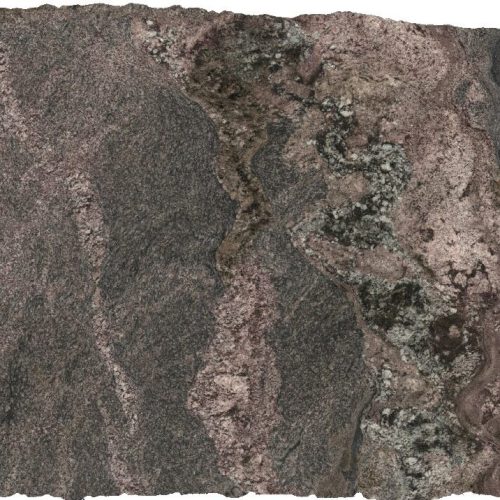
Juparana Snake granite brings bold visual drama to residential and commercial spaces. This natural stone from India features distinctive black veining that snakes across a cream and gold base, creating patterns that live up to its name. Each slab tells a different story through swirling burgundy accents, grey deposits, and peach undertones that shift depending on the light.
History and Origin
Juparana Snake comes from quarries in Karnataka, a state in southern India known for producing some of the world's most sought-after granite varieties. The region's geological conditions created this stone over millions of years, resulting in the complex mineral patterns visible today.
Indian granite exporters began shipping Juparana varieties to international markets in the 1980s and 1990s as global demand for natural stone grew. The "Snake" designation refers to the serpentine veining that distinguishes it from other Juparana types like Colombo or Classico. American architects and designers adopted it for high-end residential projects, and it remains popular in luxury homes and commercial buildings.
The same quarries produce related varieties, but Juparana Snake stands out for its aggressive contrast between dark veins and lighter background colors. Processors in Bangalore cut and polish the raw blocks into slabs before shipping them worldwide.
Design and Aesthetic Appeal
The stone's movement creates instant visual interest. Black and dark grey veins wind across the surface in unpredictable patterns, never repeating from one slab to another. This variation means your countertop or floor will be genuinely unique.
The warm color palette works in both traditional and contemporary spaces. Cream and beige base tones provide neutrality, while burgundy and gold accents add richness without overwhelming a room. The contrast between light and dark elements gives the stone depth that flat-colored materials can't match.
Polished finishes reflect light and emphasize the color variations. Honed finishes soften the look and hide fingerprints better, though they require more frequent sealing. Leathered finishes add subtle texture while maintaining most of the color intensity.
The stone pairs well with both light and dark cabinetry. White cabinets let the granite become the focal point. Dark wood cabinets create a sophisticated, grounded look. The multi-tonal nature means it coordinates with various metal finishes, from brushed nickel to oil-rubbed bronze.
Applications and Uses
Kitchen countertops represent the most common application for juparana snake. The 3cm thickness provides structural integrity without requiring plywood backing. The stone handles heat from pots and pans better than engineered alternatives, and the busy pattern disguises minor scratches or etching that develop over years of use.
Bathroom vanities benefit from the same durability. Water and moisture don't damage properly sealed granite. The polished surface resists mold and mildew growth when cleaned regularly.
Backsplashes add dramatic vertical interest behind ranges and sinks. Using the same material for counters and backsplash creates visual continuity, or you can use a different stone for contrast.
Fireplace surrounds showcase the stone's natural beauty in living spaces. The heat resistance makes it practical for areas around fireplaces and wood stoves.
Flooring applications work in entryways, bathrooms, and other areas where you want durability. The stone's hardness resists wear from foot traffic. The varied pattern hides dirt between cleanings better than solid colors.
Commercial installations include hotel lobbies, restaurant bars, and office reception desks. The professional appearance and low maintenance requirements make it practical for high-traffic environments.
Caring for Juparana Snake Granite
Seal the surface within a few days of installation using a penetrating sealer made for natural stone. Reapply every six to twelve months depending on use. Test the seal by placing water drops on the counter. If they soak in within five minutes, reseal the stone.
Daily cleaning requires only warm water and a few drops of dish soap. Wipe the surface with a soft cloth or sponge. Rinse thoroughly to prevent soap buildup.
Avoid acidic cleaners including vinegar, lemon juice, and ammonia-based products. These can dull the polish over time and compromise the sealer. Skip abrasive scrubbers that can scratch the surface.
Wipe up spills promptly, especially wine, coffee, and cooking oils. While granite resists staining better than marble, prolonged exposure to staining agents can penetrate the sealer.
Use cutting boards instead of chopping directly on the stone. This protects your knife edges more than the granite, but it also preserves the sealer from repeated impacts.
Place trivets under hot pots and pans. The stone itself won't crack from heat, but extreme temperatures can damage the sealer and create dull spots.
Transform Your Space with Juparana Snake Granite
Superior Selected Stone stocks premium Juparana Snake slabs in 2cm and 3cm thicknesses. Visit our showroom to select your exact slabs and see how the patterns vary between pieces. Contact us and our team will help you choose slabs that work together for large installations and arranges professional fabrication and installation. Request a quote today or schedule your slab selection appointment to get started on your project.