
Labrador Antico Granite
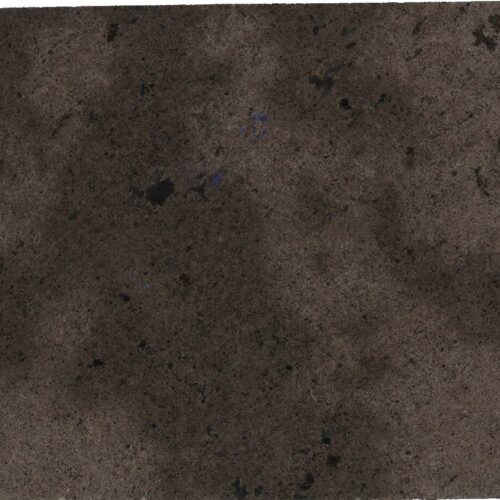
Labrador antico granite stands out with its deep chocolate brown base scattered with iridescent blue and purple crystals. Quarried in Norway since 1996, this natural stone creates striking countertops, flooring, and feature walls. The pearlescent mineral deposits shift colors as light moves across the surface, revealing shades of blue, green, and bronze that give each slab a unique character.
Origin and Geological Background
Norway's quarries produce labrador antico granite from coarse-grained anorthosite deposits. The stone forms deep underground under intense heat and pressure, creating large feldspar crystals that give the granite its signature labradorescence effect. This geological process takes millions of years and produces the blue-purple iridescence that makes this granite valuable.
The stone goes by several names in different markets: Labrador Antique, Labrador Antik, and Falcon Eye Granite. Norwegian quarries classify the material into two grades before export. First-choice slabs show a brown background with clear blue to purple crystals and minimal black spots. Second-choice material has similar coloring but may contain larger veins and more black spots in the structure.
Visual Characteristics
From a distance, labrador antico granite appears as a solid dark brown surface. Move closer and the pearlescent blue mineral deposits become visible. These crystals make up 15-20% of the stone's surface and vary in size from small flecks to larger patches several inches across.
The base color ranges from milk chocolate to dark brown-black. Dark brown veins run through more than half the stone on average, creating depth and movement. Black mineral deposits dot the surface, making up about 10% of the total mass. The coarse grain texture provides a tactile surface that feels substantial under your hands.
Lighting conditions dramatically affect how this granite looks. In rooms with limited natural light, the blue crystals appear subdued. Spaces with abundant sunlight bring out the full range of colors. The crystals shift from deep blue to purple to green depending on the viewing angle. This variation means you should view your actual slab before purchase, as photos rarely capture the true appearance.
Applications and Uses
Kitchen countertops represent the most popular application for labrador antico granite. The stone's hardness rates 6-7 on the Mohs scale, making it scratch-resistant enough for daily food preparation. Heat resistance is excellent. You can place hot pans directly on the surface without damage, though trivets are still recommended for longevity.
Bathroom vanities benefit from the stone's water resistance when properly sealed. The polished finish repels moisture and cleans easily with a damp cloth. Many homeowners choose this granite for shower walls where the wet surface enhances the blue crystal shimmer.
Flooring installations work well in entryways and living spaces. The dense structure handles foot traffic without showing wear. Commercial projects use labrador antico granite for reception desks, bar tops, and feature walls. The stone adds visual interest without overwhelming a space.
Other applications include fireplace surrounds, window sills, and outdoor kitchen counters. The stone performs well in both interior and exterior settings when installed correctly.
Design and Aesthetic Appeal
Cream and light-stained kitchen cabinets pair best with labrador antico granite. The warm brown tones complement soft cabinet colors and create flow throughout the kitchen. The blue crystals pop against the lighter background without creating harsh contrast.
White cabinets create a bolder look. The stark difference between white cabinetry and brown granite could feel harsh, but the lighter brown bedrock ties the elements together. This combination works well in modern and transitional kitchens.
Dark cabinets produce a sophisticated, professional appearance. The granite blends with darker wood tones through its black mineral deposits. Against this backdrop, the blue crystals become more prominent and add depth to the overall design.
Hardware and fixtures matter. Weathered aluminum, brushed nickel, and oil-rubbed bronze complement the stone's natural tones. Wrought iron works for rustic or industrial styles. Chrome and polished finishes create too much contrast and can look disconnected.
Expect to pay $50-60 per square foot for 3cm thick slabs. Tiles cost less, typically $20-25 per square foot. This mid-range pricing reflects the unique visual properties and Norwegian sourcing.
Care and Maintenance
Seal your labrador antico granite every 12-18 months. The sealant prevents liquids from absorbing into the porous structure. Water beading on the surface indicates good seal coverage. When water soaks in rather than beading, reseal the stone.
Clean daily with pH-neutral soap and a microfiber cloth. Avoid acidic cleaners, vinegar, lemon juice, and harsh chemicals. These products etch the surface and dull the polish. Never use abrasive scrubbing pads that can scratch the finish.
Wipe spills immediately. Coffee, wine, and cooking oils can stain if left sitting for hours. The sealant provides protection, but prompt cleanup prevents any risk. Use cutting boards for food preparation. While granite resists scratches better than many materials, knives can still damage the surface and dull quickly against the hard stone.
Transform Your Space with Norwegian Granite
Superior Selected Stone sources premium labrador antico granite slabs directly from Norwegian quarries. Our inventory includes first-choice material with vibrant blue crystals and minimal imperfections. Visit our showroom to view full slabs in person, because the iridescent properties of this stone cannot be captured in photos. Our design team will help you select the perfect slab for your project and provide professional installation. Contact us today for pricing and to schedule your slab viewing appointment.