


Ocean Red Granite Slabs
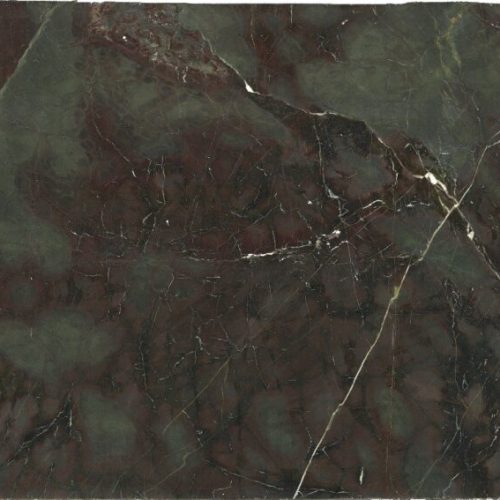
Ocean red granite brings bold color and natural beauty to residential and commercial spaces. Quarried primarily in Brazil, this striking stone features a deep red base with distinctive black and brown flecks throughout. The patterns vary from slab to slab, giving each installation a unique character that stands out in kitchens, bathrooms, and other interior applications.
History and Origin
Brazil has supplied the global market with premium granite for decades, and ocean red granite represents one of the country's most sought-after exports. The stone forms deep underground through volcanic activity, where extreme heat and pressure create its dense, durable structure. Brazilian quarries extract massive blocks of this material, which are then cut into slabs and shipped worldwide. The granite industry in Brazil dates back generations, with modern extraction methods preserving the stone's integrity while meeting growing demand from builders and designers.
Applications and Uses
Ocean red granite works well in multiple settings. Kitchen countertops remain the most popular application because the stone handles daily wear without showing damage. The heat resistance lets you place hot pots and pans directly on the surface without scorching or cracking. Bathroom vanities benefit from the same durability, resisting water damage and maintaining their appearance through years of use.
Beyond countertops, ocean red granite serves as backsplash material, adding a cohesive look when paired with matching or complementary counters. Flooring applications work in both residential and commercial spaces, though high-traffic areas require proper sealing to prevent wear patterns. Wall cladding creates dramatic accent walls in living rooms, lobbies, or feature areas where the red tones make a statement.
The stone comes in standard thicknesses of 2cm and 3cm. Thinner slabs cost less and work well for vertical applications like backsplashes and wall cladding. The 3cm thickness provides more substantial weight and presence for countertops, where the extra material adds strength and reduces the need for substrate support.
Design and Aesthetic Appeal
The color palette of ocean red granite ranges from burgundy to brick red, with the black and brown flecks creating visual movement across the surface. Some slabs show more uniform coloring, while others display dramatic veining that adds complexity to the design. This variation means selecting your specific slab matters. What you see in a small sample may not represent the full character of a larger piece.
Polished finishes remain the standard choice, creating a glossy surface that reflects light and intensifies the red tones. This finish works particularly well in kitchens and bathrooms where the shine adds visual interest. Honed finishes offer a matte alternative with a softer appearance, though they require more frequent sealing because the less dense surface absorbs liquids more readily.
The stone pairs well with white, cream, or light gray cabinets, where the contrast lets the red tones stand out. Dark wood cabinets create a richer, more traditional look. Stainless steel appliances complement the modern side of the stone's character, while brass or bronze fixtures lean into warmer, classic design styles.
Caring for Ocean Red Granite
Granite requires less maintenance than many people assume, but it's not maintenance-free. Sealing the stone every 12 to 18 months protects against stains from oils, wine, and acidic liquids. The sealing process takes about 30 minutes. You apply the sealer, let it sit for the recommended time, then wipe away the excess. Most hardware stores stock granite sealers at reasonable prices.
Daily cleaning needs nothing more than warm water and a soft cloth. Dish soap works for tougher messes, but avoid acidic cleaners like vinegar or lemon-based products. These can etch the surface over time, dulling the polish and creating dull spots. Commercial granite cleaners exist but aren't necessary for routine maintenance.
Scratches rarely happen with normal use, but cutting directly on the surface will leave marks. Use cutting boards. The stone won't scratch from regular kitchen activity, but knives will damage it if you're careless. Chips can occur if you drop something heavy on an edge or corner. These usually require professional repair to match the surrounding area.
Stains happen if you leave spills sitting too long, particularly from red wine, coffee, or cooking oils. Blot spills immediately rather than wiping them, which can spread the liquid. For set-in stains, poultice treatments can draw out the discoloration, though professional help may be needed for stubborn marks.
Ready to Transform Your Space?
Ocean red granite delivers lasting beauty and performance that outlasts trends and daily wear. Our slabs are in stock and ready for your project. Contact Superior Selected Stone today to view our current inventory, select your specific slab, and get an accurate quote. Our team will walk you through measurements, edge profiles, and installation timelines. Don't settle for generic stone when you can have Brazilian ocean red granite that makes your space memorable.