


Grigio Collemandina Marble Slabs
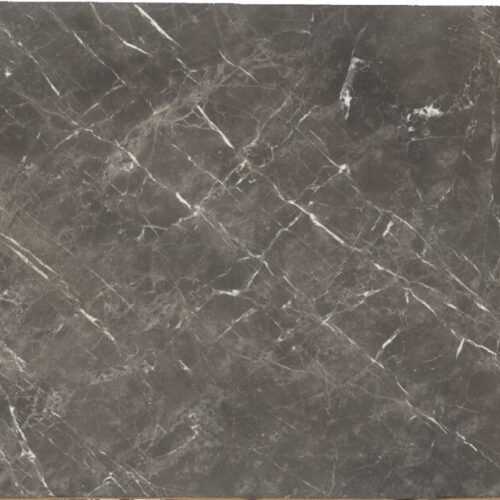
Grigio Collemandina is a grey Italian marble quarried from the hills of Villa Collemandina in Tuscany’s Garfagnana region, located in the province of Lucca. This stone features a deep grey base with brown undertones, crossed by white and golden veining that creates striking visual patterns. Each slab displays unique vein formations, making every installation one of a kind. The stone’s high density and natural compactness make it suitable for both residential and commercial projects where durability matters as much as appearance.
History and Origin
Collemandina marble has a fascinating geological story. The quarries that produce this stone sit at the base of Jurassic rock formations rich in ammonites and calcareous sediments. Centuries ago, these same quarries produced Rosso Collemandina, an intense ruby red marble prized for church interiors, palace floors, and noble estates across Italy. You can still find Rosso Collemandina in historical buildings, balustrades, and ornate wall coverings throughout Tuscany.
Over time, the deeper quarry layers revealed a different material. The grey-brown stone we now call Grigio Collemandina replaced the red marble as extraction moved into new sections of the deposit. While Rosso Collemandina has become increasingly rare, the grey variant has gained recognition for its own merits. Italian stonemasons have worked with this material for generations, using it in local architecture throughout the Garfagnana villages, including the preserved hamlet of Sassorosso where homes built with this stone still stand.
The geological age and formation process give Grigio Collemandina its exceptional technical properties. The stone has a water absorption rate of just 0.08%, compression resistance of 94 MPa, and excellent resistance to wear and freeze-thaw cycles. These characteristics stem from millions of years of pressure and mineral crystallization deep within the Tuscan hills.
Design and Aesthetic Appeal
The color palette of Grigio Collemandina works with both contemporary and traditional design schemes. The grey base ranges from medium to deep tones, often showing subtle brown inclusions that add warmth to the overall appearance. White veining moves across the surface in irregular patterns, sometimes accompanied by golden or beige accents that catch light and create depth.
The stone's appearance changes significantly based on the finish you choose. A polished surface creates a mirror-like reflection that intensifies the contrast between the grey background and white veins. This finish works well in formal spaces and brings out the stone's natural luminosity. Honed finishes provide a matte surface with softer visual impact, suited to modern minimalist interiors. Brushed finishes add texture and create a silk-like appearance while improving slip resistance for floor applications.
Book-matched slabs create symmetrical patterns when two consecutive pieces are opened like pages of a book. This installation method amplifies the stone's natural geometry and works particularly well for feature walls or large floor expanses. The natural variation between slabs means your space will have character that manufactured materials cannot replicate.
Applications and Uses
Grigio Collemandina performs well across multiple applications. Kitchen countertops and islands benefit from the stone's hardness and stain resistance when properly sealed. The grey tones pair easily with white, black, or wood cabinetry, and the veining provides visual interest without overwhelming the space.
Bathroom installations include vanity tops, shower walls, and flooring. The low water absorption rate makes this stone more resistant to moisture damage than many other natural stones. For wet areas like showers, use a honed or brushed finish rather than polished to reduce slip hazards.
Flooring applications work in both residential and commercial settings. The stone's resistance to compression and wear means it holds up in high-traffic areas like hotel lobbies, restaurant entrances, and residential hallways. Large format tiles or slabs create fewer grout lines and showcase the stone's veining more effectively.
Wall cladding and feature walls create focal points in living rooms, dining areas, or office reception spaces. The stone's neutral palette provides a backdrop for furniture and artwork while adding natural texture. Fireplace surrounds in Grigio Collemandina bring warmth and sophistication to gathering spaces.
Caring for Grigio Collemandina
Seal your Grigio Collemandina surfaces after installation and reseal annually or as recommended by your installer. Marble is calcium-based and reacts to acidic substances, so avoid using vinegar, lemon juice, or acidic cleaners on the surface. Wine, citrus, and tomato-based foods should be wiped up quickly to prevent etching.
For daily cleaning, use pH-neutral stone cleaners and a soft cloth or mop. Avoid abrasive scrubbers that can scratch the surface, particularly on polished finishes. Coasters under glasses and trivets under hot cookware protect countertops from rings and thermal shock. Cutting boards prevent knife scratches.
Small etches or dull spots on polished surfaces can often be refinished by professional stone restoration companies. Honed finishes hide minor wear better than polished surfaces and may require less maintenance over time.
Transform Your Space with Italian Craftsmanship
Ready to bring the timeless beauty of Tuscany into your home or commercial project? Our Grigio Collemandina marble slabs are sourced directly from Italian quarries and available in multiple finishes to match your design vision. Whether you're planning a kitchen renovation, luxury bathroom, or statement flooring installation, our team can help you select the perfect slabs and coordinate delivery. Contact Superior Selected Stone today to view our current inventory, discuss your project requirements, and receive a detailed quote. Let us show you why Italian marble remains the gold standard for discerning architects, designers, and homeowners who refuse to compromise on quality.