


Pebble Beach Marble: Natural Beauty Inspired by Coastal Landscapes
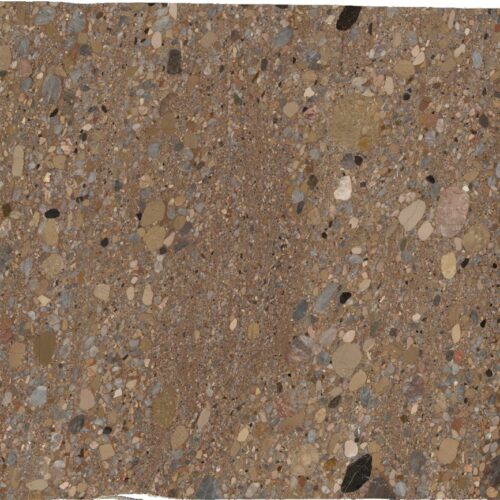
Pebble beach marble brings the organic textures and colors of shoreline stones into interior spaces. This natural stone features distinctive pebble-like patterns with rich color variations that range from warm beiges and soft grays to deeper browns and blacks. Each slab tells its own story through unique veining and mineral deposits formed over millions of years beneath the earth’s surface.
The Formation and Origin of Pebble Beach Marble
This marble forms through the metamorphosis of limestone under intense heat and pressure deep within the earth's crust. The characteristic pebble appearance comes from mineral inclusions and crystalline structures that developed during this geological process. Quarried from select locations known for producing high-quality natural stone, pebble beach marble undergoes careful extraction and processing to preserve its natural beauty.
The stone's varied coloration results from different mineral compositions present during formation. Iron oxides create warm rust and brown tones, while carbon deposits produce darker blacks and grays. This natural variation means no two slabs are identical, giving each installation a one-of-a-kind character that cannot be replicated with manufactured materials.
Applications and Uses in Modern Spaces
Pebble beach marble works well in both residential and commercial settings. Kitchen countertops benefit from the stone's durability and heat resistance, making it practical for food preparation areas. The polished surface provides a smooth workspace that's easy to clean and maintain with proper care.
Bathroom vanities showcase the stone's elegant patterns, particularly when book-matched slabs create mirror-image designs. The material handles moisture well when properly sealed, making it suitable for shower walls and tub surrounds. Flooring applications work best in lower-traffic areas where the stone's natural beauty can be appreciated without excessive wear.
Backsplashes and accent walls let the pebble patterns become focal points in a room. The stone catches light differently throughout the day, creating visual interest that changes with natural and artificial lighting conditions. Commercial spaces like hotel lobbies and high-end retail environments use pebble beach marble to create memorable first impressions.
Fireplace surrounds and outdoor applications also benefit from this material's thermal properties. The stone withstands temperature fluctuations better than many alternatives, though outdoor installations require additional sealing to protect against freeze-thaw cycles in colder climates.
Design and Aesthetic Appeal
The pebble-like patterns in this marble create a sense of movement across the surface. These organic shapes soften the geometric lines of modern architecture while adding texture that prevents spaces from feeling too sterile or cold. The color palette works with both warm and cool design schemes, making it a flexible choice for various interior styles.
In contemporary settings, the stone's natural irregularity provides welcome contrast against clean lines and minimalist furniture. Traditional spaces benefit from the material's timeless quality and connection to classical architecture. Transitional designs use pebble beach marble as a bridge between modern and traditional elements.
The stone performs well in light and dark color schemes. Lighter slabs with prominent veining can brighten spaces and make rooms feel larger. Darker selections with rich brown and black tones add depth and sophistication to areas where you want to create intimacy or drama.
When multiple slabs are used together, professional installation ensures proper matching and alignment of patterns. This attention to detail maximizes the visual impact and creates seamless transitions across larger surfaces.
Caring for Pebble Beach Marble
Daily maintenance requires only mild soap and water. Avoid acidic cleaners like vinegar or lemon-based products, which can etch the marble surface and dull the polish over time. Wipe spills immediately, especially acidic liquids like wine, citrus juice, or tomato sauce.
Sealing the stone every 6 to 12 months protects against staining and moisture penetration. The frequency depends on usage levels and exposure to potential staining agents. High-traffic kitchen counters need more frequent sealing than bathroom walls or decorative applications.
Use cutting boards, trivets, and coasters to prevent scratches and etching. While marble is durable, it's softer than granite or quartzite and can show wear patterns over time. These natural changes add character, but protective measures extend the stone's pristine appearance.
For stubborn stains, a poultice made from baking soda and water can draw out discoloration without damaging the surface. Professional restoration services can repair deeper scratches or refresh worn areas through polishing and rehoning.
Transform Your Space with Pebble Beach Marble
Ready to bring coastal-inspired elegance into your project? Visit our showroom to see pebble beach marble slabs in person and experience the natural variations that make each piece unique. Our stone specialists will help you select the perfect slabs for your application, answer technical questions about installation, and provide detailed care instructions. Contact us today to schedule a consultation and get a custom quote for your countertops, flooring, or feature walls. Your dream space starts with the right stone.