


Rhino Marble Slabs
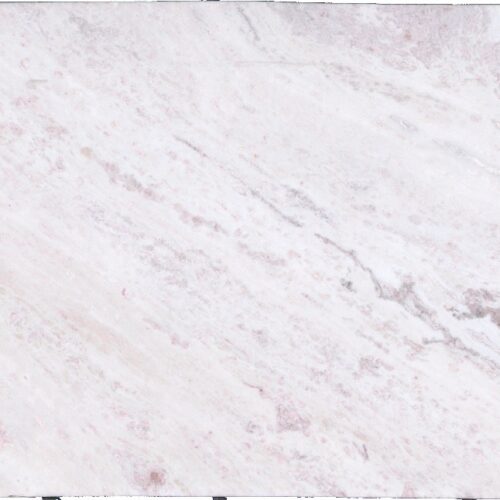
Rhino marble is a striking white natural stone from Namibia that commands attention with its bold, sweeping veins of dark gray and charcoal. The dramatic veining patterns mimic the textured skin of a rhinoceros, which is how this marble earned its distinctive name. The stone features a predominantly white to creamy beige background that serves as a canvas for intricate, organic veining that flows across each slab in unique formations.
This African marble has gained popularity among designers and homeowners who want the elegance of white marble with more visual drama than traditional options like Carrara or Calacatta. Each slab tells its own story through natural patterns formed over millions of years beneath the earth’s surface.
History and Origin
Rhino marble comes from quarries in Namibia, a country in southwestern Africa known for producing some of the world's most distinctive natural stones. The marble formed through metamorphic processes that transformed limestone under intense heat and pressure deep within the earth's crust. The characteristic gray and charcoal veining developed as mineral deposits and impurities crystallized during this transformation.
Namibian stone has been exported globally since the late 20th century, but rhino marble gained significant traction in the international market within the last two decades. The stone's unique aesthetic and reliable quality have made it a sought-after material for high-end residential and commercial projects across North America, Europe, and Asia.
The quarrying process in Namibia follows strict environmental standards, and many suppliers work directly with quarry operators to ensure sustainable extraction practices that minimize ecological impact.
Applications and Uses
Rhino marble performs exceptionally well in multiple applications throughout residential and commercial spaces. Kitchen countertops are one of the most popular uses, where the stone's bold veining creates a focal point that elevates the entire room. The white background reflects light beautifully, making kitchens feel more spacious and inviting.
Bathroom vanities benefit from rhino marble's sophisticated appearance. The stone pairs well with modern fixtures and complements both contemporary and traditional design schemes. Many designers use it for shower walls and surrounds, where the dramatic veining creates a spa-like atmosphere. When backlit, the stone reveals subtle translucency that adds depth and warmth.
Fireplace surrounds take on new life with rhino marble. The heat-resistant properties make it practical for this application, while the sweeping veins draw the eye upward and create architectural interest. Backsplashes, both in kitchens and bathrooms, showcase the stone's patterns without overwhelming smaller spaces.
Commercial applications include hotel lobbies, restaurant feature walls, retail displays, and office reception areas. The stone's durability and timeless appeal make it suitable for high-traffic environments when properly sealed and maintained.
Design and Aesthetic Appeal
The visual impact of rhino marble lies in its contrast and movement. Unlike marbles with delicate, subtle veining, rhino marble makes a bold statement. The dark gray veins can range from thin, wispy lines to thick, dramatic ribbons that sweep across the surface. Some slabs feature concentrated veining in specific areas, while others display more evenly distributed patterns.
The white to creamy beige background provides versatility in design schemes. It pairs beautifully with warm wood tones, metallic accents in gold or brass, and both light and dark cabinetry. The stone works equally well in minimalist modern spaces and more ornate traditional settings.
Book-matching is particularly effective with rhino marble. This technique places two adjacent slabs side by side to create a mirror image, producing symmetrical patterns that emphasize the natural beauty of the veining. Book-matched installations work especially well for large surfaces like kitchen islands or feature walls.
The stone is available in polished and honed finishes. Polished surfaces reflect light and intensify the contrast between the white background and dark veins, creating a more formal, glamorous appearance. Honed finishes offer a softer, matte look that feels more casual and contemporary while making the stone slightly more forgiving with fingerprints and water spots.
Caring for Rhino Marble
Marble requires consistent maintenance to preserve its beauty. Seal rhino marble every 6 to 12 months with a high-quality penetrating sealer designed for natural stone. The frequency depends on use and exposure to moisture.
Clean spills immediately, especially acidic substances like lemon juice, vinegar, wine, tomato sauce, and coffee. These can etch the surface and leave dull spots that are difficult to repair. Use only pH-neutral cleaners specifically formulated for marble. Avoid ammonia, bleach, vinegar-based cleaners, and abrasive scrubbers.
Place coasters under glasses, use trivets under hot pans, and always use cutting boards. These simple habits prevent etching, staining, and scratching that can diminish the stone's appearance over time.
For daily cleaning, wipe surfaces with a soft cloth or sponge and warm water. Dry the surface afterward to prevent water spots, particularly on polished finishes.
Transform Your Space with Rhino Marble
Ready to bring the dramatic beauty of rhino marble into your home or commercial project? Our team at Superior Selected Stone can help you select the perfect slabs and guide you through every step of the process. Visit our showroom to see our current inventory in person, where you can examine the unique veining patterns and finishes available. Contact us today to schedule a consultation and discover how rhino marble can transform your space into something extraordinary.