


How to Clean Carrara Marble the Right Way (Step-by-Step)

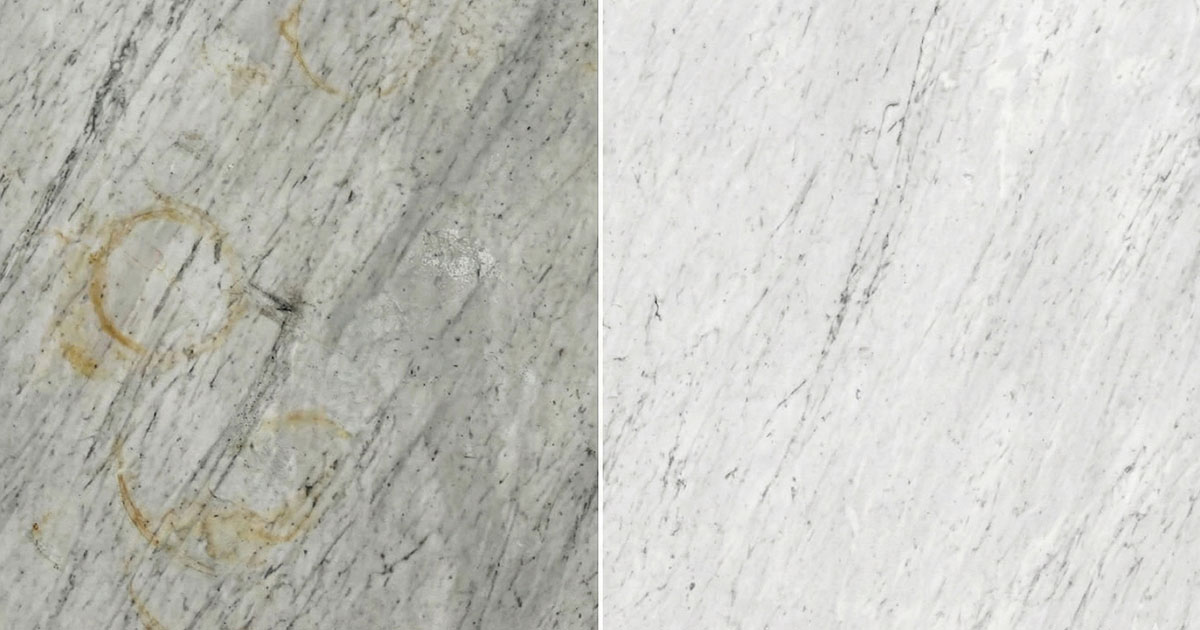

Why Carrara marble is delicate and requires special care
Carrara marble needs careful handling because it’s softer and more porous than many other natural stone materials used in homes today. Quarried in the Apuan Alps of Tuscany, Italy, this iconic white marble has graced everything from Michelangelo’s sculptures to modern kitchen countertops, but its beauty comes with specific maintenance requirements.
The stone registers about 3 to 4 on the Mohs hardness scale, making it more prone to scratches and surface damage than granite or quartzite. This relative softness means that even seemingly innocent actions like sliding a ceramic plate across the surface or using the wrong cleaning cloth could scratch the marble and dull its finish over time.
Porosity and the nature of natural stone
Porous materials absorb liquids quickly, and Carrara marble’s microscopic network of tiny pores creates pathways for oils, acids, and pigmented liquids to penetrate below the surface. A polished finish resists liquid absorption better than a honed surface because the tight polish temporarily seals some surface pores, but neither finish offers complete protection against spills that sit too long.
Honed Carrara surfaces, which have a matte finish rather than glossy shine, absorb liquids faster and typically need more frequent sealing to prevent permanent staining. When water, wine, oil, or acidic liquids settle into these microscopic divots, they can cause darkening or discoloration that permanently alters the stone’s appearance. Understanding how Carrara compares to other white marble types helps homeowners choose the right stone for their specific needs.
How acidity and abrasives damage the marble surface
Acidic foods and cleaning products pose the most serious threat to Carrara marble because they chemically react with the calcium carbonate that forms the stone’s structure. Lemon juice, vinegar, orange juice, tomato sauce, wine, and even some toiletries contain acids that etch the marble surface on contact, creating dull spots that change the sheen without necessarily leaving a stain behind.
An etch appears as a light, cloudy mark where the acid has literally dissolved a thin layer of the stone, roughening the polished surface. Unlike stains that discolor the stone, etches alter its physical structure and cannot be removed with cleaning alone, they require professional honing and repolishing to restore the original finish.
Abrasive cleaners, scouring pads, rough brushes, and harsh scrubbing create micro-scratches that accumulate over time and make the surface more susceptible to dirt accumulation. These scratches catch light differently than the smooth polished surface, creating a worn, dull appearance.
Common trouble spots: countertops, bathrooms, and tiles
Kitchen countertops face the highest risk from food acids, cooking oils, wine spills, and hot pans that can cause both staining and thermal shock. The frequent contact with acidic ingredients during food preparation means homeowners must stay vigilant about immediate spill cleanup and consistent use of cutting boards, coasters, and trivets.
In bathrooms, toiletries like perfumes, nail polish remover, and hair dyes can cause severe etching and staining if they contact the marble directly. Hard water deposits from shower spray create cloudy mineral buildup that dulls the surface and requires specific removal techniques.
Carrara tiles on floors and backsplashes collect grime in grout lines and along edges where dirt accumulates faster, making cleanup more challenging. Prompt cleanup, consistent use of coasters and trivets, and immediate attention to spills can prevent most etching and staining issues before they become permanent.
how to clean carrara marble
Cleaning Carrara marble correctly is straightforward if you follow the right techniques and use appropriate products that won’t harm the stone. A simple, consistent routine keeps your marble looking pristine while helping you avoid costly repairs that result from improper care.

Step-by-step daily cleaning routine
Start your daily maintenance by wiping the marble surface with a damp microfiber cloth or soft rag moistened with warm water, which removes dust, light fingerprints, and minor surface dirt without introducing chemicals that could react with the stone. For most everyday messes, this simple approach is enough to clean the marble effectively without risking damage.
When dirt proves more stubborn or you’re dealing with light oils from cooking, mix just a few drops of mild dish soap or a pH-neutral detergent with warm water in a clean spray bottle. Spray this mixture lightly onto the surface, then wipe immediately with a damp microfiber cloth using smooth, overlapping strokes.
After cleaning with soap, always rinse the surface thoroughly by wiping it down with a clean cloth dampened with plain water to remove any soap residue, and finish by drying the entire area with a soft, dry cloth to prevent water spots and mineral deposits. This wipe-rinse-dry routine should become automatic after every cleaning session.
Using a pH-neutral cleaner safely
Choose a pH-neutral cleaner that’s specifically formulated for natural stone or marble surfaces, avoiding anything labeled as acidic, alkaline, or containing harsh chemicals like bleach that can permanently damage the stone’s surface. Many commercial marble cleaners are available, but you must verify that they’re truly pH-neutral (around 7 on the pH scale) rather than just marketed as “gentle.”
Always follow the cleaner’s dilution instructions exactly, and test any new product on a small, hidden area first before applying it to visible surfaces. Let the test spot sit for 24 hours and check for any discoloration, dulling, or texture changes before proceeding with full application.
Use the same wash-rinse-dry method, applying the cleaner, wiping it away promptly, rinsing with clean water, and drying thoroughly to avoid leaving residue that can attract dirt or weaken the sealant. Never let cleaning products sit on the marble surface to “soak.”
When to call a professional
If you encounter large, deep stains from substances like rust or heavy oil that have had time to soak into the stone, or if the marble shows widespread etching from repeated acid exposure, calling a professional stone restoration specialist is the smartest investment. DIY stain removal methods work well for minor issues caught early, but they often prove inadequate for deep stains.
Stone restoration experts possess specialized tools for poultice applications, professional honing to remove surface etching, repolishing to restore the original finish, and resealing to protect the stone. Before attempting strong DIY cleaning methods, check with the marble’s original fabricator for their specific recommendations.
Task | Recommended Action | Why It Matters |
Daily wipe | Damp microfiber cloth with warm water | Removes light soil and prevents buildup |
Light cleaning | Mild dish soap or pH-neutral cleaner, properly diluted | Safely lifts oils without etching the surface |
Rinse | Wipe with clean water, then dry with soft cloth | Prevents residue and water spots |
Stain or damage | Contact a stone restoration professional | Experts can poultice, hone, or repolish |

Tools and supplies to clean Carrara marble safely
Cleaning Carrara marble effectively starts with assembling the right tools that protect the surface while removing dirt and spills. Choose non-abrasive items that won’t scratch the stone.
A quality soft cloth or microfiber cloth absorbs moisture without scratching, and you should maintain a rotation of clean cloths to replace them when soiled. For grout lines and corners, keep a soft-bristle brush or old soft-head toothbrush on hand.
Warm water serves as the safest cleaning base for most routine tasks, and you can enhance its effectiveness by mixing in mild dish soap or gentle detergent. For persistent dirt, invest in pH-neutral marble cleaners or products recommended by your stone fabricator.
For targeted stain removal, keep optional specialized tools available. Poultice powders such as fuller’s earth or whiting can be mixed with liquids to create paste that draws stains out over 24 to 48 hours. A plastic putty knife lets you apply these pastes without scratching, and plastic wrap sealed with tape creates the airtight seal necessary for effectiveness.
Low-concentration hydrogen peroxide (3% solution) can treat organic stains from coffee or tea when applied according to guidelines. Acetone helps with small oil-based stains if used sparingly, but you should avoid routine bleach use unless the fabricator explicitly approves it.
Warm water and mild soap method for regular cleaning
The simplest and safest way to clean Carrara marble involves nothing more than warm water and a small amount of mild dish soap. This method works reliably for countertops, tiles, and other surfaces where daily use creates light dirt.
Preparing the solution and testing
Mix warm water with just a few teaspoons of mild dish soap like Dawn or Seventh Generation, and transfer this mixture to a clean spray bottle for convenient application. Before using any new cleaning solution on visible marble surfaces, test it first on a small, hidden area. Spray the test spot, wipe it normally, and wait 24 hours to check for adverse reactions before proceeding.
Step-by-step application and drying
Lightly mist the marble surface with your prepared soap solution, avoiding over-saturation. Use a damp microfiber cloth to wipe the surface in smooth, straight strokes rather than circles, working methodically to ensure you don’t miss spots.
Rinse your cloth frequently in clean water as you work, wringing it out well each time. After cleaning with the soap solution, wipe again with a fresh cloth dampened only with plain water to remove all soap traces, and finish by immediately drying the marble thoroughly with a clean, dry cloth.
Tips to avoid common mistakes
Never mix different cleaning products together because chemical interactions can increase acidity that damages the stone. Soap residue left on the surface dulls the protective sealant and creates a film that attracts more dirt.
Avoid using vinegar, lemon juice, or any acidic cleaners on Carrara marble, even if sources suggest they’re “natural” or “safe,” because these acids etch the stone immediately. Change to clean cloths whenever yours becomes soiled, as continuing with a dirty cloth can drag grit across the surface and create scratches.
Targeted stain removal: poultices, hydrogen peroxide, and baking soda
When stains appear despite preventive efforts, targeted treatment methods can often remove discoloration without professional intervention if you act quickly. A properly prepared poultice can pull deep stains out, mild hydrogen peroxide works well on organic marks, and baking soda paste tackles certain tough spots when used carefully.
Before applying hydrogen peroxide to any visible stain, test it on a hidden spot using a weak solution (3% household strength mixed with equal parts water). Apply this diluted solution gently to the stain using a soft cloth, allowing it to sit for only a few minutes before wiping away. Work in small circular motions, rinse thoroughly with clean water, and dry completely before evaluating results.
Baking soda poultice for stubborn stains
A baking soda poultice works effectively on many stubborn stains that have penetrated into the marble, particularly those from organic sources like coffee, tea, or food. Mix baking soda with just enough water to create a thick, spreadable paste with the consistency of peanut butter.
Spread this paste in a layer about 1/4 to 1/2 inch thick over the entire stained area, extending slightly beyond the visible stain. Cover the poultice completely with plastic wrap, sealing the edges firmly with painter’s tape to create an airtight seal.
Leave the covered poultice in place for 24 to 48 hours, checking periodically to ensure the seal remains intact. When the treatment time is complete, remove the plastic and carefully scrape off the dried poultice using a plastic putty knife, rinse thoroughly with clean water, and dry completely to evaluate your results.
If the stain has lightened but hasn’t disappeared, you can repeat the treatment once or twice more, but avoid doing this more than three times without professional consultation.
Oil and mineral stain removal techniques
For oil-based stains, a small amount of acetone can dissolve oils trapped in the stone’s pores, but this solvent must be used sparingly and only with excellent ventilation. Apply just a few drops to a clean cloth, dab the stained area gently, rinse immediately with water, and dry quickly.
Mineral stains and hard water deposits require different treatment than organic stains. In severe cases where gentle cleaning hasn’t worked, a very light pass with 0000-grade steel wool might remove mineral deposits, but this technique should be used rarely and tested carefully first.
For particularly stubborn stains that won’t respond to DIY methods, commercial poultice products designed specifically for these stain types often work better than homemade solutions. When these resist all reasonable DIY attempts, professional stone restoration services have stronger chemicals and specialized techniques.

Which cleaning products to avoid to protect Carrara marble
Understanding which products harm Carrara marble is just as critical as knowing which ones clean it safely, because a single use of the wrong cleaner can cause permanent damage. Safe options remain simple: plain water, mild dish soap, and properly formulated pH-neutral cleaners specifically made for natural stone.
Acidic substances like vinegar, lemon juice, and orange juice represent the most dangerous threats because they react directly with the calcium carbonate that forms the stone’s structure, etching the surface on contact. Even products containing citrus extracts or vinegar as “natural” ingredients cause this same irreversible damage.
This chemical etching happens almost instantly, dissolving a thin layer of stone and creating rough texture. The resulting dull spots, cloudy areas, or matte patches show where acid has permanently altered the stone’s structure, and only professional honing can restore the damaged areas.
Abrasive tools and cleaning powders pose serious physical threats by creating microscopic scratches that dull the polished finish. Scouring pads, steel wool heavier than 0000-grade, stiff scrub brushes, and powdered cleansers all create abrasion that scratches the relatively soft marble.
Bleach and strong chemical solvents dull the marble’s polish and weaken protective sealers, leaving the stone more vulnerable. Mixing cleaning chemicals creates even more serious hazards, as combining bleach with ammonia produces toxic gases harmful to both people and stone.
Product Type | Why It’s Harmful | Damage It Causes |
Vinegar | Acetic acid etches calcium carbonate | Creates permanent dull spots and rough texture |
Lemon/citrus cleaners | Citric acid dissolves stone surface | Immediate etching that cannot be polished out |
Abrasive scrubbers | Physical scratching of soft stone | Cumulative dulling, increased dirt trapping |
Bleach | Strips sealant, dulls polish | Makes stone more vulnerable to stains |
Ammonia cleaners | Alkaline damage, sealant degradation | Surface dulling and protection loss |
Sealing Carrara marble: when, how, and why it matters
Sealing creates an invisible protective barrier that helps keep Carrara marble looking pristine by slowing liquid absorption and giving you more time to wipe up spills before they penetrate. While sealing doesn’t make marble completely impervious, it significantly reduces the risk of permanent discoloration from wine, oil, and coffee.
Types of sealers and choosing the right one
Two main categories of sealers exist: penetrating sealers and topical sealers. Penetrating sealers, often water-based formulations, soak into the stone’s pores without forming a surface film, protecting from within while maintaining the marble’s natural appearance.
Topical sealers create a protective film on the surface that can enhance shine or slightly alter color, but this surface layer can wear unevenly. Reputable brands like Tenax, Miracle Sealants, and Aqua Mix specifically recommend water-based penetrating marble sealants for Carrara to avoid yellowing or color shifts.
Sealing frequency and simple DIY application
Stone care experts recommend applying sealer when marble is first installed, then resealing approximately every 12 to 24 months depending on use intensity. Kitchen countertops that see daily food preparation typically need more frequent sealing than bathroom vanities.
For DIY sealing, thoroughly clean the marble and allow it to dry completely for at least 24 hours before application. Test your chosen sealer on a small area first to confirm it doesn’t alter the marble’s appearance, then apply it evenly following manufacturer instructions.
Apply the sealer in thin, even coats using a clean cloth, wait for the recommended absorption time (typically 15-30 minutes), wipe off any excess, and allow the sealed surface to cure completely for 24 to 48 hours before heavy use.
How sealing reduces staining but not etching
Sealing fills the marble’s pores with protective compounds that prevent or slow liquid absorption, making stains from wine, oil, and coffee less likely to set in. This protection makes routine cleaning easier and gives you valuable time to react when spills occur.
However, sealers cannot prevent etching because this damage occurs through chemical reaction rather than absorption. When acidic substances like lemon juice or vinegar contact marble, they chemically dissolve the stone’s surface regardless of whether it’s sealed. Even perfectly sealed marble will etch from acid exposure, which is why preventing acid contact remains the most critical aspect of marble care.
Maintenance habits to keep Carrara marble looking great over time
Daily cleaning with simple techniques forms the foundation of keeping Carrara marble in pristine condition for years. Wipe up spills immediately using a soft cloth, and perform a quick daily wipe-down with a damp microfiber cloth to remove dust and light dirt.
For weekly maintenance, use mild soap or a pH-neutral cleaner diluted according to instructions. Rinse thoroughly with plain water after cleaning, then dry the entire surface completely to prevent water spots and mineral deposits.
Preventing damage through thoughtful habits proves far easier than repairing problems. Use coasters under all glasses to prevent condensation rings, and place trays under toiletries and containers that could leak. Trivets and heat-resistant pads should go under all hot pots and pans to prevent thermal shock.
Regular inspections help catch problems early. Check sealant effectiveness annually by placing water drops on the surface and observing whether they bead up (good sealant) or soak in quickly (need resealing). For tough stains that appear, try a poultice treatment quickly, or contact a professional before the stain sets permanently.
Understanding how Carrara marble compares to other options like the various calacatta marble different types helps homeowners choose the stone that best matches their maintenance preferences, since different marbles have different porosity levels. The classic veining patterns that make Carrara popular come with specific care requirements, and learning the differences in calacatta marble vs carrara can help you determine whether Carrara’s characteristics align with your willingness to provide ongoing maintenance.
By maintaining gentle treatment through consistent use of soft cloths, pH-neutral cleaners, and immediate spill response, while avoiding acidic substances and abrasive tools entirely, you can keep your Carrara marble countertops, tiles, and bathroom surfaces looking beautiful for decades.